
MAYA envisions a future where Adolescents and Young Adults (AYA) cancer survivors are empowered to manage their cardiovascular health and lifestyle with the support of innovative digital tools specifically designed to address cardiotoxic-related late effects of cancer treatment, from the convenience of their homes.
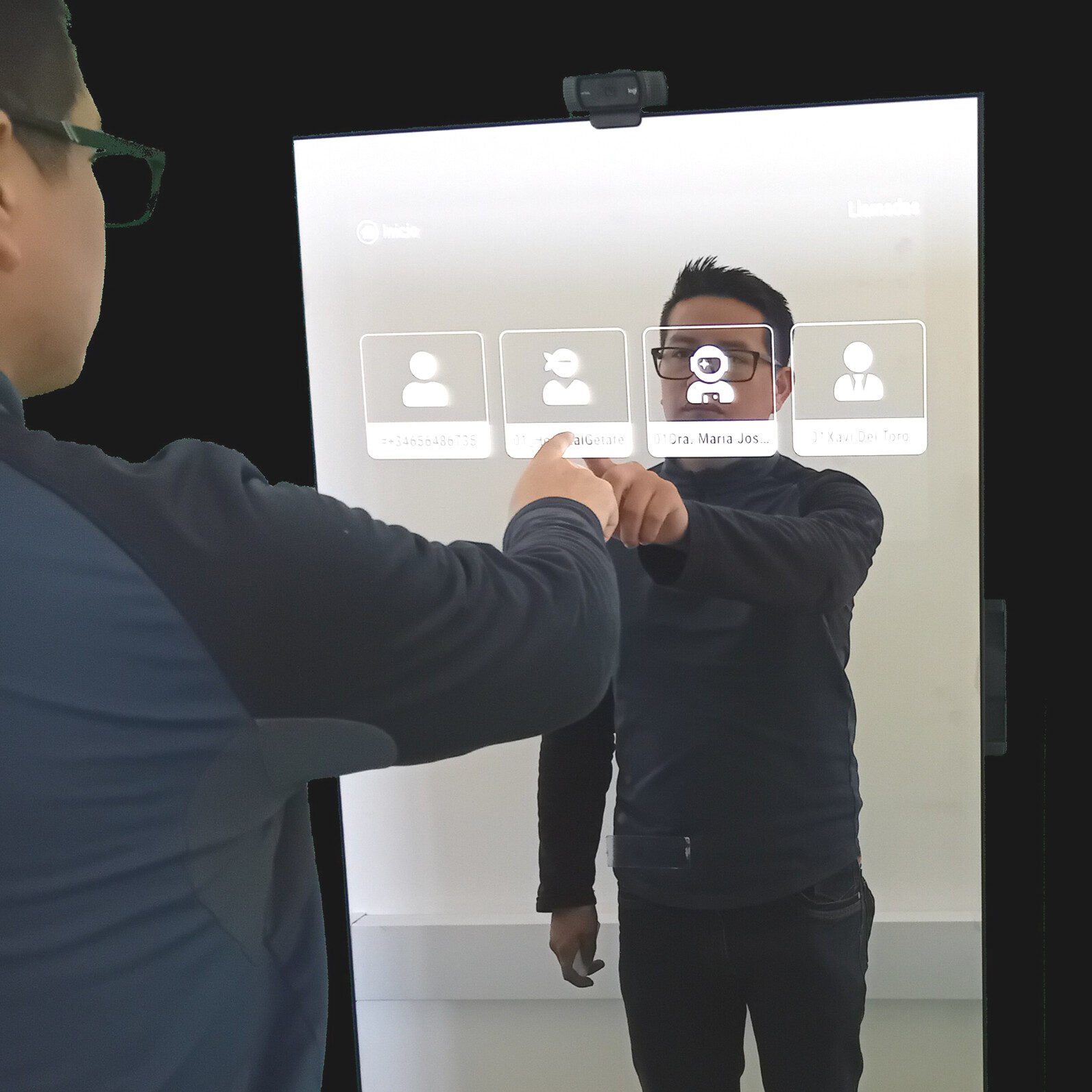
By leveraging the iCARE health hub, equipped with a smart mirror and an AI-powered conversational agent, MAYA aims to improve cardiovascular outcomes and overall quality of life for, at least, 70% of AYA survivors participating in the clinical study, by effectively managing modifiable risk factors such as hypertension, obesity, or diabetes.
MAYA aims to reduce the risk of major cardiac events, which lead to premature mortality, by 30-40% through continuous monitoring and tailored interventions. This approach will also lead to enhanced physical, emotional, and social well-being.

MAYA proposes the integration of advanced monitoring systems, AI-driven data analysis, and participatory research, through innovative Social Sciences and Humanities methods such as:
MAYA employs a combination of real-time biomarker tracking, including physiological and behavioural information, along with insights gathered from survivors themselves through the iCARE health hub equipped with a smart mirror and an AI-powered conversational agent. The iCARE health hub isdesigned to monitor and manage late-onset cardiovascular health issues and address gaps in care during the transition to post-
treatment stages.
Additionally, the iCARE hubs aim to improve health literacy by offering personalised coaching, helping survivors better understand and navigate their health. Installing these
tools in homes across different European countries will enable us to evaluate their effectiveness and the acceptance of these innovative technologies.

AYA with lived cancer experience, adult survivors who experienced cancer during adolescence or young adulthood, Cancer patients, caregivers, and citizens at large who are indirectly affected by cancer or cardiovascular health issues

Researchers and experts in artificial intelligence, human-computer interaction, behavioural sciences, social sciences and humanities, health psychology, ethics, and health informatics

Healthcare professionals and providers, oncologists, cardiologists, surgical oncologists, general practitioners, oncology nurses, rehabilitation specialists, and psycho-oncologists

Regulatory agencies, governmental bodies, regional/local administrations, public services, health authorities, policymakers

CEOs, CTOs, innovation managers of digital health companies, medical technology start-ups, technology providers, representatives from the pharmaceutical and insurance sectors, health and technology journalists and communication specialists